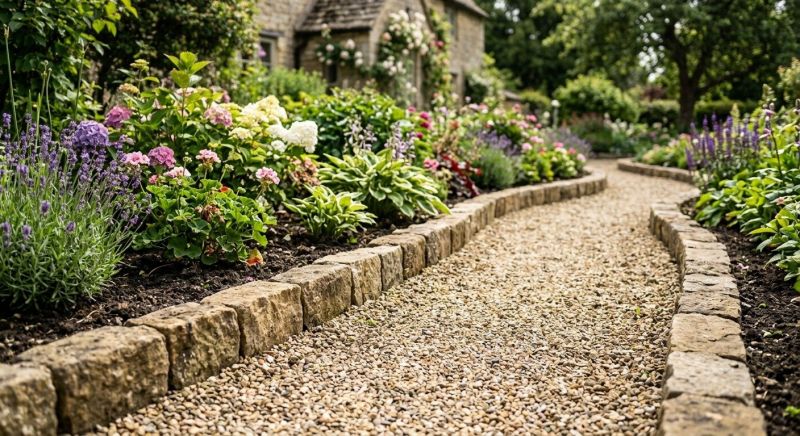
Stone Edging Installation in Fairfield County, CT
Stone edging installation involves placing durable stone materials along garden beds, pathways, or property boundaries to create a defined and attractive border. This service is commonly used in landscaping projects to enhance curb appeal, prevent soil erosion, and keep mulch or gravel contained. Homeowners often request stone edging to complement existing landscape features, improve property organization, or add a polished look to outdoor spaces. Before requesting installation, property owners should consider the type of stone they prefer, the length and height of the edging needed, and how the edging will integrate with other landscape elements.
Understanding the different styles and materials available can help homeowners make informed decisions about their stone edging project. It’s also helpful to consider the existing terrain and the intended purpose of the edging-whether for decorative purposes, practical containment, or both. Property owners should clarify the scope of the project, including the area to be edged, the desired aesthetic, and any specific requirements for durability or maintenance. Contacting a professional for guidance can ensure the selected materials and installation methods align with the overall landscape vision.
Many property owners in Fairfield County, CT look into Stone Edging Installation for repairs, replacements, upgrades, and appearance-related improvements.
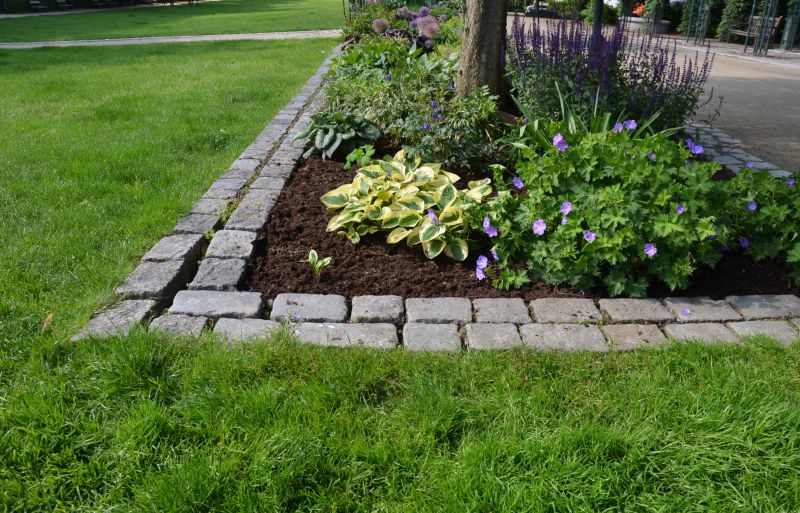
Enhancing Landscape Borders
Stone edging provides a durable and attractive boundary for garden beds and lawns.
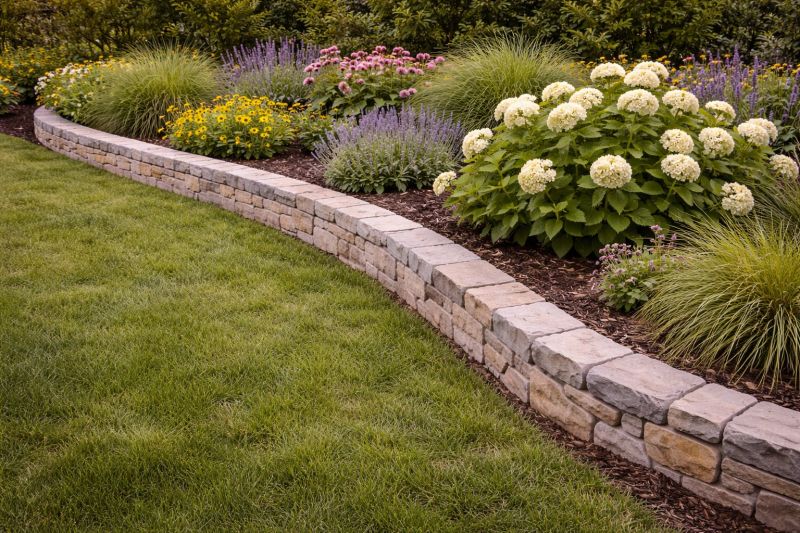
Defining Property Boundaries
Stone borders help clearly delineate property lines and prevent soil erosion.
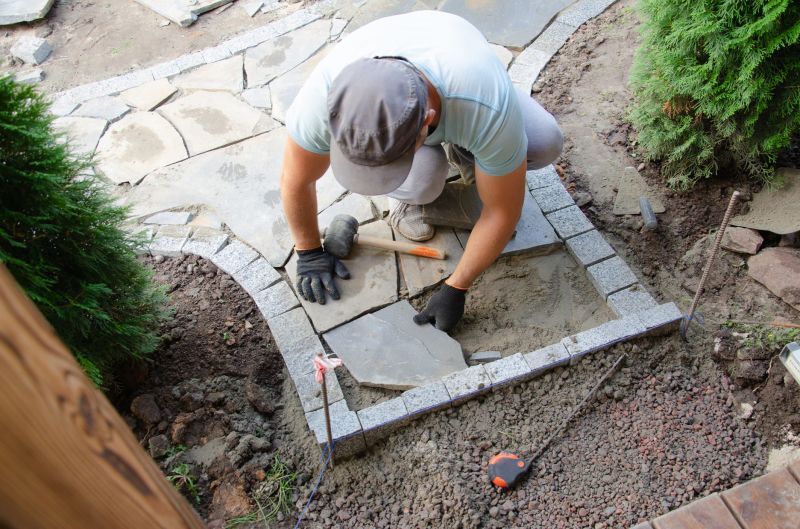
Creating Low-Maintenance Features
Stone edging offers a long-lasting solution that reduces the need for frequent upkeep around fairfield county homes.
Stone Edging Installation in Fairfield County, CT

Stone edging installation involves placing durable stone materials along garden beds, pathways, or property boundaries to create a defined and attractive border. This service is commonly used in landscaping projects to enhance curb appeal, prevent soil erosion, and keep mulch or gravel contained. Homeowners often request stone edging to complement existing landscape features, improve property organization, or add a polished look to outdoor spaces. Before requesting installation, property owners should consider the type of stone they prefer, the length and height of the edging needed, and how the edging will integrate with other landscape elements.
Understanding the different styles and materials available can help homeowners make informed decisions about their stone edging project. It’s also helpful to consider the existing terrain and the intended purpose of the edging-whether for decorative purposes, practical containment, or both. Property owners should clarify the scope of the project, including the area to be edged, the desired aesthetic, and any specific requirements for durability or maintenance. Contacting a professional for guidance can ensure the selected materials and installation methods align with the overall landscape vision.
Many property owners in Fairfield County, CT look into Stone Edging Installation for repairs, replacements, upgrades, and appearance-related improvements.
Common Stone Edging Installation Jobs
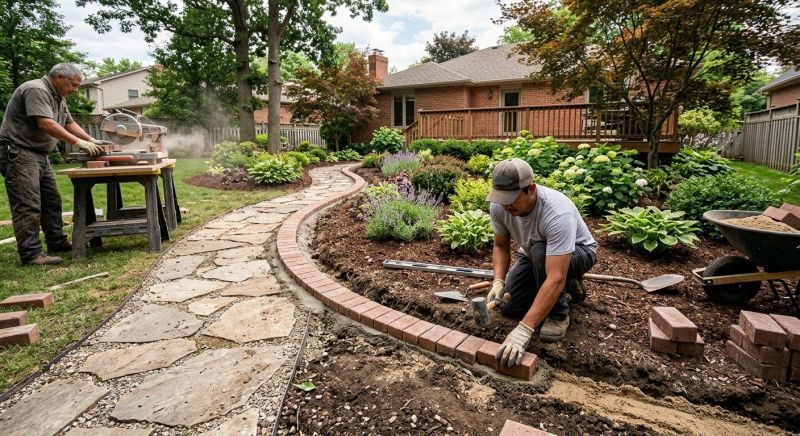
Stone Edging Installation - Defines garden beds and landscape borders with durable stone materials.
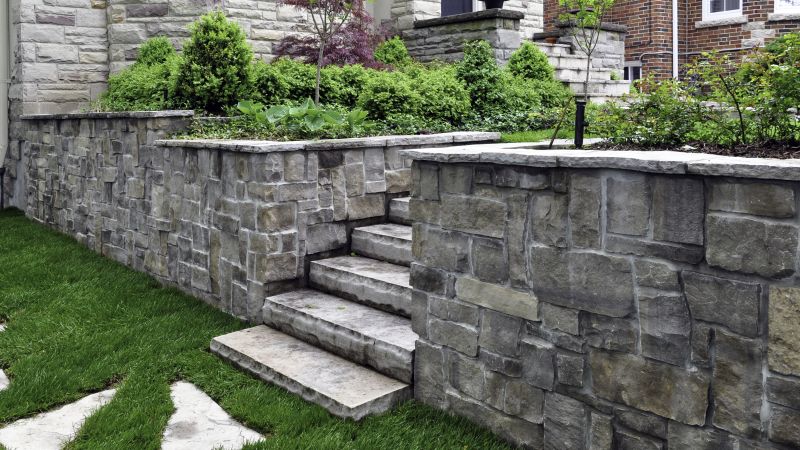
Retaining Wall Edging - Provides structural support and prevents soil erosion along sloped areas.
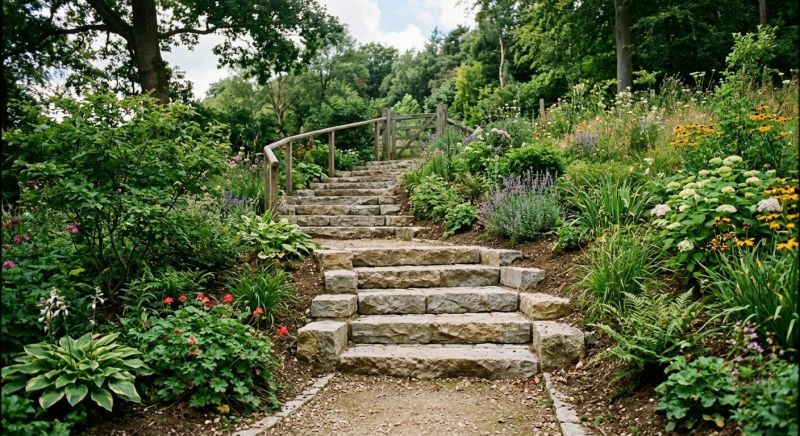
Pathway Edging - Creates clean, defined edges for walkways and outdoor paths.
Poolside Edging - Enhances safety and aesthetics around swimming pools and water features.
Driveway Edging - Adds a polished look while helping to contain gravel or paving materials.
Garden Bed Edging - Keeps mulch and soil contained, reducing maintenance and weed growth.
Stone Edging Installation Questions
What is stone edging used for? Stone edging helps define garden beds, pathways, and lawn borders, providing a clean and durable separation between different areas of a property.
What types of stones are commonly used for edging? Common options include natural stones like granite, limestone, and fieldstone, chosen for their durability and aesthetic appeal.
Can stone edging be installed around existing landscaping? Yes, stone edging can be integrated into existing landscape designs to enhance structure and visual interest.
What should property owners consider before installing stone edging? It’s important to consider the style of the property, the type of stones, and the desired level of maintenance for the project.
Request Stone Edging Installation in Fairfield County, CT
Use the quote form on this page to share the basics of your project and request more information for the type of work you need.